Calling all good aunts, nieces, nephews and friends

It’s time to revisit the Good Aunt series, and I’ve decided to make it into a larger project. But making it bigger and better means I need your help.

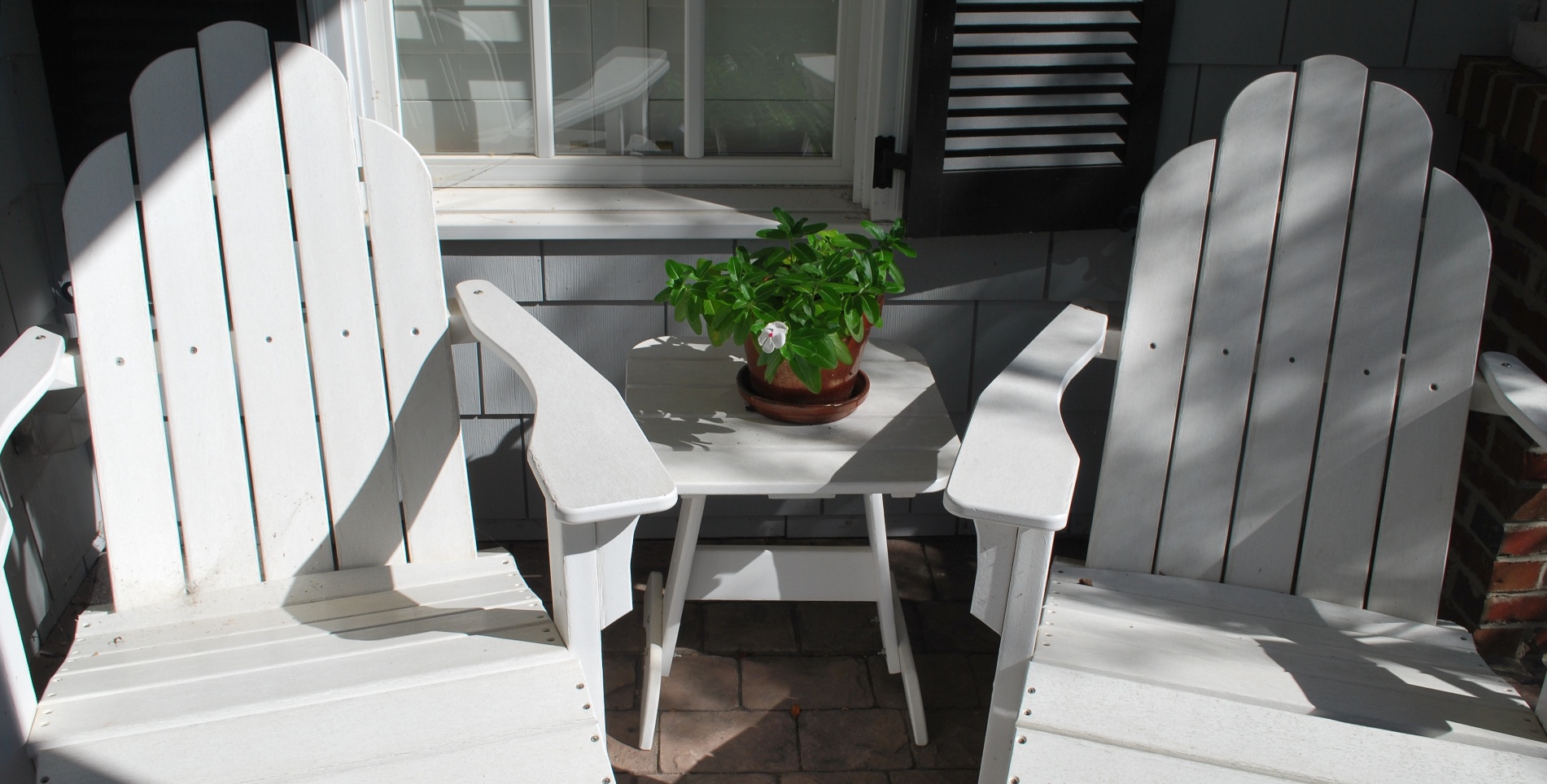
So tell me, if you and I were walking and talking together and stopped to sit here for a few moments, what would you want to ask me? What would you want to tell me? What part of your stories would you want me to share?

Will you join me here for a conversation about good aunts?

Will you join me here for a conversation about good aunts?

I’m reaching out to you today to invite you to sit down with me and share conversations that matter with each other.

If you’re a woman who does not have children, if you’re a niece or nephew of a wonderful aunt who does/did not have children of her own, if you’re a friend of a woman whose story the world should know, I’d love to hear from you.

I’ve created a contact form with some questions to get the conversation started and to learn more about what you want to know about the woman you think of when you think of “good aunt.” The information you submit on the form will not be public. Only you and I will see your responses. (And let me assure you: You don’t even have to be a particularly good aunt or an aunt at all, but I’d still like to hear what you want to know about the topic.)

If the form is too daunting or bothersome for you, feel free to add your thoughts in the “Leave a Reply” section below, or simply email me. And please feel free to forward this post to anyone you think might like to participate. As I’ve said, I look forward to getting the conversation going.

← Back

Thank you for your response. ✨

Topics about women without children that interest you most:

I am:

Gifts of figs and flowers

Those of you who have followed this blog since the beginning may remember how much I love figs. They were the subject of my very first post.

While it wasn’t anywhere near fig season when I wrote that original post, we’re right smack in the middle of it now. I pass by a laden fig tree every morning when I’m out walking the dog and have to fight the urge to pick a fig or two as I go by.

So when a friend of mine emailed me last week to ask if I’d like some figs from her tree, I responded with an enthusiastic yes (and probably a “Yippee!” in my head). She delivered them a few days later on her way to work.

Trayoffigs2013

A friend’s gift of figs

I was touched by the fact that she had even thought of me for the figs (instead of not thinking of me at all or instead of offering something I don’t love, like zucchini, for instance). Perhaps she remembered me talking about how much I like them? Whatever the reason, I am grateful she thought of me and even took the time to deliver them to my house.

Figscloseup2013

I had fun photographing them in the morning light, but it was hard to resist eating them before I was done snapping pictures.

Her simple act of kindness and friendship fueled me and fed me. And it made me wonder whether we take time often enough to look around at the simple abundances in our own lives and, instead of letting those gifts go to waste, think, “Who would enjoy this as a gift?”

Garden gifts
My mom always shared what she grew in the garden – including zucchini (which my brother and I wish she had shared all of instead of keeping any for us. Oh, the zucchini trauma stories we could tell).

She made the most beautiful bouquets of flowers to take to people and would even send bouquets of gardenias in to work with me because she knew I loved them so much. She doesn’t garden as much as she used to, but the flowers still bloom and create a beautiful space surrounding my parents’ house, and I like to think of her garden as a gift to her neighbors.

She has rubbed off on me that way. I try to plant flowers each year that will give me enough to share with others. And I save more random glass jars than most people, so that I can always have a “vase” handy.

However, there are still seasons of the gardening year that I haven’t quite figured out, and I hate those times when I want to bring someone flowers and head outside to find that nothing terribly pretty is blooming.

My mother-in-law loves gardening and giving flowers, too. She often sends me flowers for special occasions, and this is what arrived at my doorstep from her a few weeks ago:

Orchids2013

A beautiful gift of orchids

She knows I struggle with orchids (I do much better with outdoor plants that have a better chance of surviving my bouts of neglect), but she promised these are easy to care for. I really do hope I can keep the plant alive and blooming.

I love the way the afternoon light filters through the orchid’s petals.

Orchidbacklit2013

For those of you who garden, do you share what you grow? Do others share with you? Do you think it strengthens friendships to offer homegrown gifts or even store-bought gifts of fruit or flowers? For those of you who don’t garden, I’d love to hear what simple gifts you share with your friends. What ways do you share the crop of kindness and abundance from your own life with others?

Oh, and to my friends who live nearby (you know who you are), it’s baby lacebark elm tree season at my house. Let me know if you’d like one of the elms for your own yard. They’re a gift I’d love to share with you.

The good aunt and sticky friendships, revisited

Back in July, I wrote about the struggle women without children have in maintaining friendships with their friends who are moms. If you missed the first post or have forgotten it, you might want to read it and then come back to this post.

I’m revisiting the issue, because so much of what I hear in response to the good aunt series has to do with the difficulty of navigating friendships.

I want to say it again: good aunts want to be good friends to the moms in their life, but there’s sometimes a difficulty in knowing the best way to approach those friendships.

Those of us who aren’t moms know that the job of mom is a demanding, all-consuming, draining, not-always-fun-and-games life. Really, I promise you moms out there, we do know that, even if it’s only in an intellectual way instead of the empathic way your other mom friends can truly understand. And so we know to expect changes in friendships when babies are born. What we don’t always know, though, is how to maintain the friendship and develop a relationship with the new little one, or if that’s even something the new mom wants.

A friend of mine and I sat chatting over coffee yesterday, and the topic of friendships with new moms came up. My friend is in her early thirties, is not yet a mom, and is experiencing that so familiar boom of babies being born among her group of friends.

She voiced what I have felt, too, though I’m farther from the baby boom with my friends than she is: each time another friend becomes a mom for the first time, there’s an uncomfortable shift, as the questions begin:

  • What does the friend expect from me now that she has less time for herself and her friends?
  • If I’m the only one making an effort to connect, is it because the new mom doesn’t need/want me in her life any more? Or is it because she’s overwhelmed and needs me to come to her aid whether she asks for it or not?
  • Does she still value me as a friend, even though I don’t have children and can’t adequately talk through the latest nappies or sleepless night solutions and can’t offer her any knowledge about nannies, or juggling work and babies?

The questions that arise out of this natural separation in a friendship are not comfortable or easy. And each friendship will resolve the questions differently.

Some friendships will strengthen with the answering of these questions, even if the questions are never asked or answered out loud. Other friendships will fade because of different needs and expectations on either side of the friendship. And there doesn’t seem to be a recipe or computer program that will help you determine which friendships will survive and which won’t, no matter how much work you put into them.

So where do we go from here?
If a friendship mattered to you before a child was born (your own child or your friend’s child), then decide if the friendship is worth some extra effort now. The answer won’t always be “Yes,” and that’s okay.

But for the friendships that are worth it to you, the ones that you cannot imagine losing, take some time to make them work. And be honest with each other about what both of you want and need from this new way of being friends. Honest conversation may have to happen in snatches between crying fits and first smiles and diaper changes, but those conversations are the best way to keep a friendship going strong.

Have some great advice for how you and a friend have navigated friendship changes after one of you became a parent? Or a question about how to start that honest conversation? I’d love to hear from you.

Would your friends drop you through a roof?

I’m very blessed. I have friends who would drop me through a roof. Do you?

You may be confused about why I think having friends who would do that for/to me is a blessing. You may be wondering whether I have a radically different definition of friendship than you. Trust me: I don’t.

The pastor where we attended church this past Sunday asked us this very same question, although I think she used the word “lower” instead of “drop.” Her question was spurred by this passage in Mark’s gospel: Continue reading

The vanishing front porch

Welcome to the front porch

One evening, as my husband and I sat on our front porch, one of our neighbors walked by and called out to us, saying, “I love to see people using their front porch!” He was pointing out a rarity in our neighborhood, despite several homes having beautiful, welcoming front porches. Most of those porches sit vacant and unused. Even ours sits unused more than it should.

I think air conditioning has forever changed what used to be a sacrosanct aspect of southern hospitality: gathering on the front porch with friends at the end of a day’s hard work. After all, who wants to sit out on the porch battling mosquitos and suffering from the heat and humidity when indoors is so cool and refreshing, not to mention bug-free?

Maybe busyness has also changed how hospitable we are. And I don’t just mean those of us who live in the air-conditioned south. Continue reading